The land project as a business lab
A physical building and event-space experiment treated as a practical lab for operations, taste, hospitality, and systems thinking.
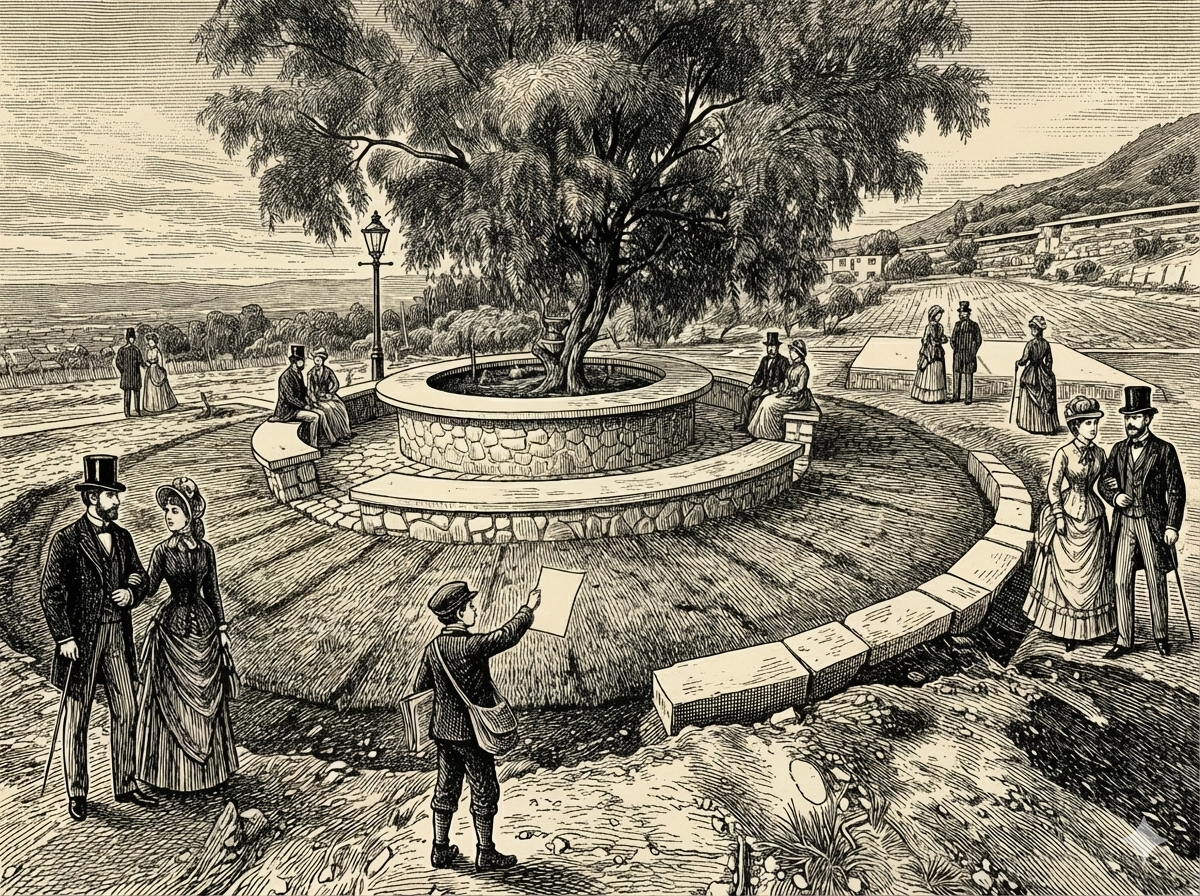
A project outside software
Most of my projects start as repositories. This one starts as land.
In 2026, I began treating a real-life building project as part future home, part business lab, and part operating-system test. The category is intentionally unfamiliar. That is the point.
Software lets me hide behind abstraction. A physical project does not. The constraints are visible: weather, materials, lighting, people flow, setup time, family schedules, local expectations, and the energy required to host without turning the whole thing into stress.
The business idea
The land is meant first to become a future home.
In the meantime, it can also be used to test small gatherings: birthdays, immersive movie nights, quiet celebrations, and local experiences that feel more considered than the default options nearby.
This is not a plan to become a large event venue. The useful question is smaller:
Can a physical place be designed into a repeatable experience without overbuilding, overcomplicating, or exhausting the host?
There is also a quieter market question underneath it:
Can the place develop a reputation for a specific kind of gathering before it needs a formal pitch? A small venue grows differently from software, but trust still moves through people. Someone attends, understands the feeling, and can explain it to the next person.
The first experiment
The first test was designed to answer two practical questions:
- How many people can the space support comfortably?
- Can simple decoration and lighting create an atmosphere people actually feel?
Comfort is operational. It includes seating, walking paths, lighting, sound, restrooms, wind, pacing, and the subtle question of whether guests need constant direction.
Atmosphere is harder to measure, but still observable. Do people slow down? Do they gather naturally? Do they stay longer than expected? Does the space feel safe, intentional, and memorable without trying too hard?
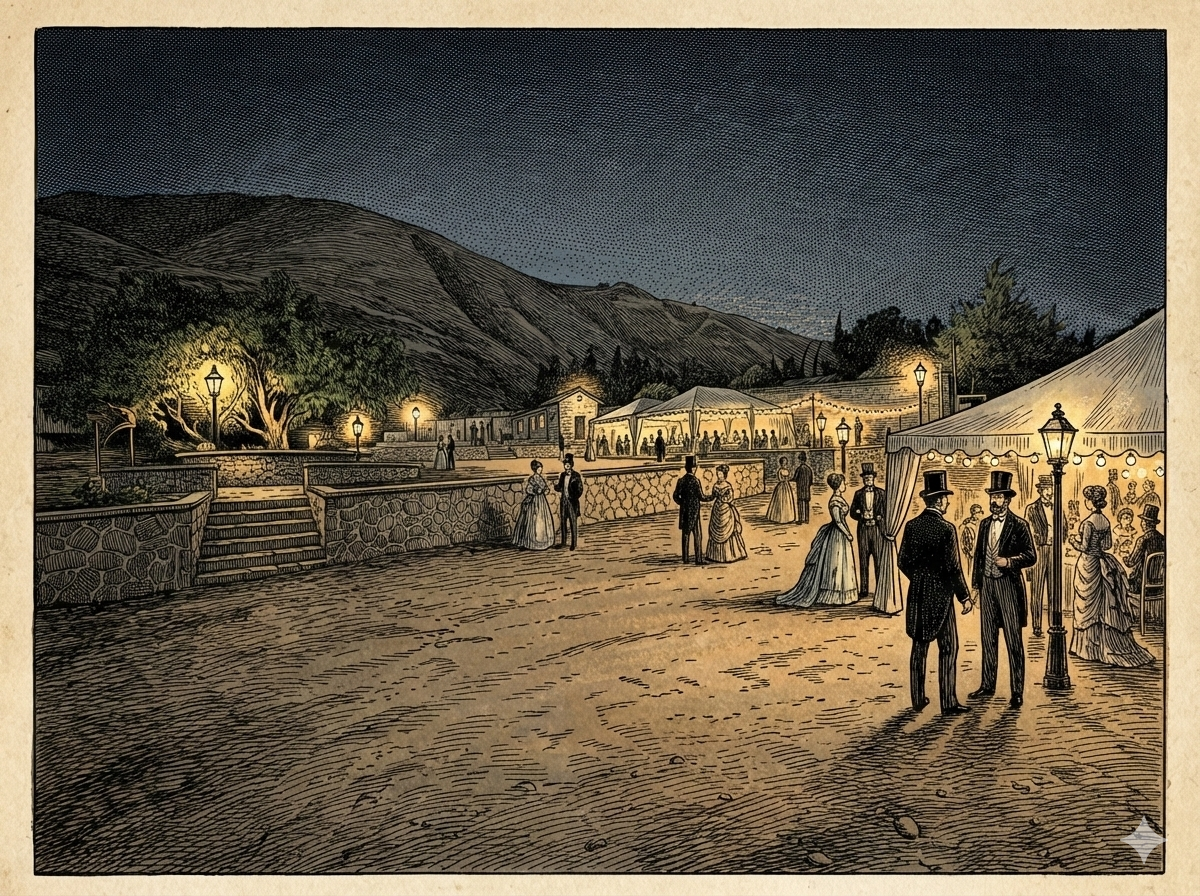
What I watched
I treated the event like a product test.
For comfort, I watched where people gathered, which paths stayed clear, how conversation pockets formed, and whether the layout encouraged lingering instead of quick attendance.
For operations, I watched setup time, teardown effort, which decorative elements created the most atmosphere per minute of work, and which details tired the host before guests arrived.
For atmosphere, I watched lighting temperature, shadows, music volume, the way stone framed the space, and whether people behaved like they belonged there.
I also watched the language people used afterward. Did they describe the place as pretty, useful, calm, special, easy, intimate, or convenient? Those words matter because they reveal the position the space is earning in people’s minds. The operator can choose a category, but guests decide whether it is believable.
Why this belongs on reboot.md
AI is reducing the cost of writing code. That does not make software unimportant, but it does change the center of gravity.
When implementation gets cheaper, the durable edge moves toward system understanding, taste, operations, distribution, trust, and the ability to create something people want to return to.
A physical project makes those variables impossible to ignore.
You cannot prompt your way out of poor flow. You cannot automate your way out of bad hosting. You cannot scale a confusing experience and hope the economics fix themselves later.
The transferable lesson
The land project is a system with inputs and outputs.
Inputs: time, money, attention, materials, coordination, taste, energy, family context, and local culture.
Outputs: safety, comfort, memory, joy, novelty, repeatability, and maybe revenue.
If I can learn to design that system without burning out or overbuilding, the lesson transfers back into product work. Software and hospitality are different materials, but both punish vague assumptions once real people arrive.
The lesson is not to decorate harder. It is to make the experience specific enough that the right people know when to choose it. A birthday, a movie night, a family celebration, and a quiet work retreat have different jobs. The place does not need to be all of them at once.
Next experiments
The next useful tests are:
- a clearer capacity benchmark for seated, standing, and mixed formats
- a minimum viable atmosphere kit
- an immersive movie night rehearsal
- a repeatable petit birthday format
- a small operating manual for setup, teardown, vendors, and checklists
- a simple post-event follow-up that captures guest language, referrals, and repeat-interest signals
This is not a side quest. It is a business lab with dirt under its nails.
Related posts
Good code does not guarantee a good business
A reminder that engineering quality is necessary but not sufficient for building a product-led business.
Services as the bridge to product leverage
A practical comparison between service revenue, productized delivery, and product assets that can compound without dismissing services.